Photography
Photography is used sparingly, and only when it's earned. We reach for it when there's a real-world expert or object we're actually analyzing — and then Glass Box becomes the lens that reveals the invisible information.
Earned, Not Decorative
One thing we're careful about is not overusing photography. Most AI brands lean heavily on people smiling at laptops or generic stock imagery. We wanted photography to feel earned. We only use it when there's a real-world expert or object we're analyzing — and then Glass Box becomes the lens that reveals the invisible information.
Earned, never filler — every photo has a reason to exist
Real experts, real objects — not generic stock
Glass Box is the lens — reveal the invisible information
Dark and cinematic — consistent with our near-black canvas
When We Use It
A clear line between photography that earns its place and imagery that works against the brand.
Reach For
- A real expert we're working with or citing
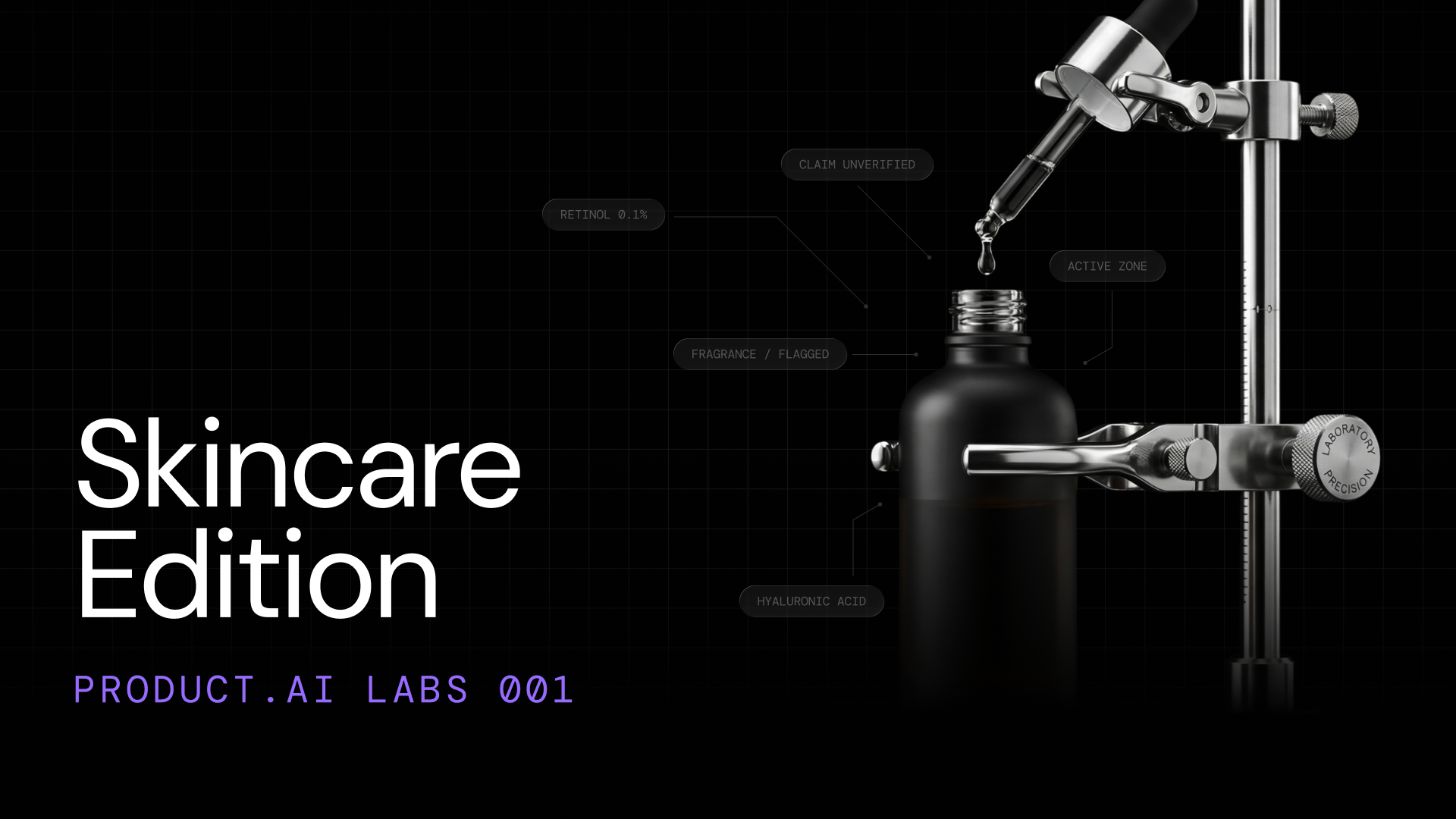
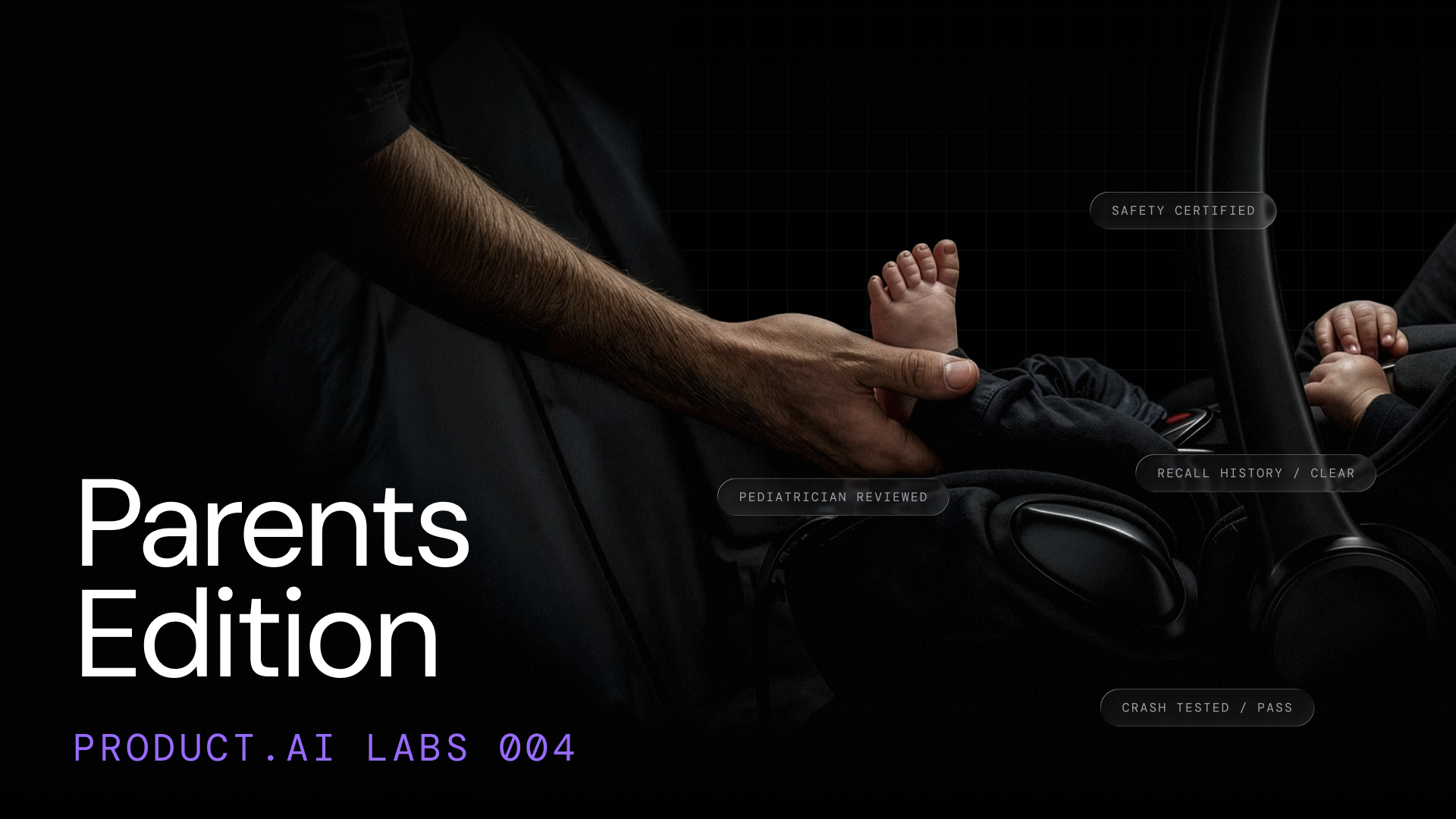
- The actual object under analysis (a serum, a car seat, a bike)
- Real-world moments where Glass Box overlays the data
- Dark, cinematic, high-craft compositions
- Imagery paired with technical HUD annotations
Avoid
- Generic stock photography
- People smiling at laptops
- Bright, generic, un-branded lighting
- Photography used as decoration or filler
- Imagery with no object or expert to analyze
Do's and Don'ts
Quick guidelines for keeping photography on-brand.
✓ Do
Use photography only when it's earned — a real expert or the real object being analyzed
Let Glass Box be the lens — overlay the invisible data on the real subject
Show literal subjects: the actual product, athlete, or object
Keep it dark and cinematic, consistent with the near-black canvas
Pair imagery with technical HUD annotations and verified indicators
✗ Don't
Use generic stock imagery or "people smiling at laptops"
Lean on photography as decoration or filler
Use bright, generic, un-branded lighting
Show photography without a subject worth analyzing
Overuse it — if it isn't earned, reach for illustration instead
In Practice
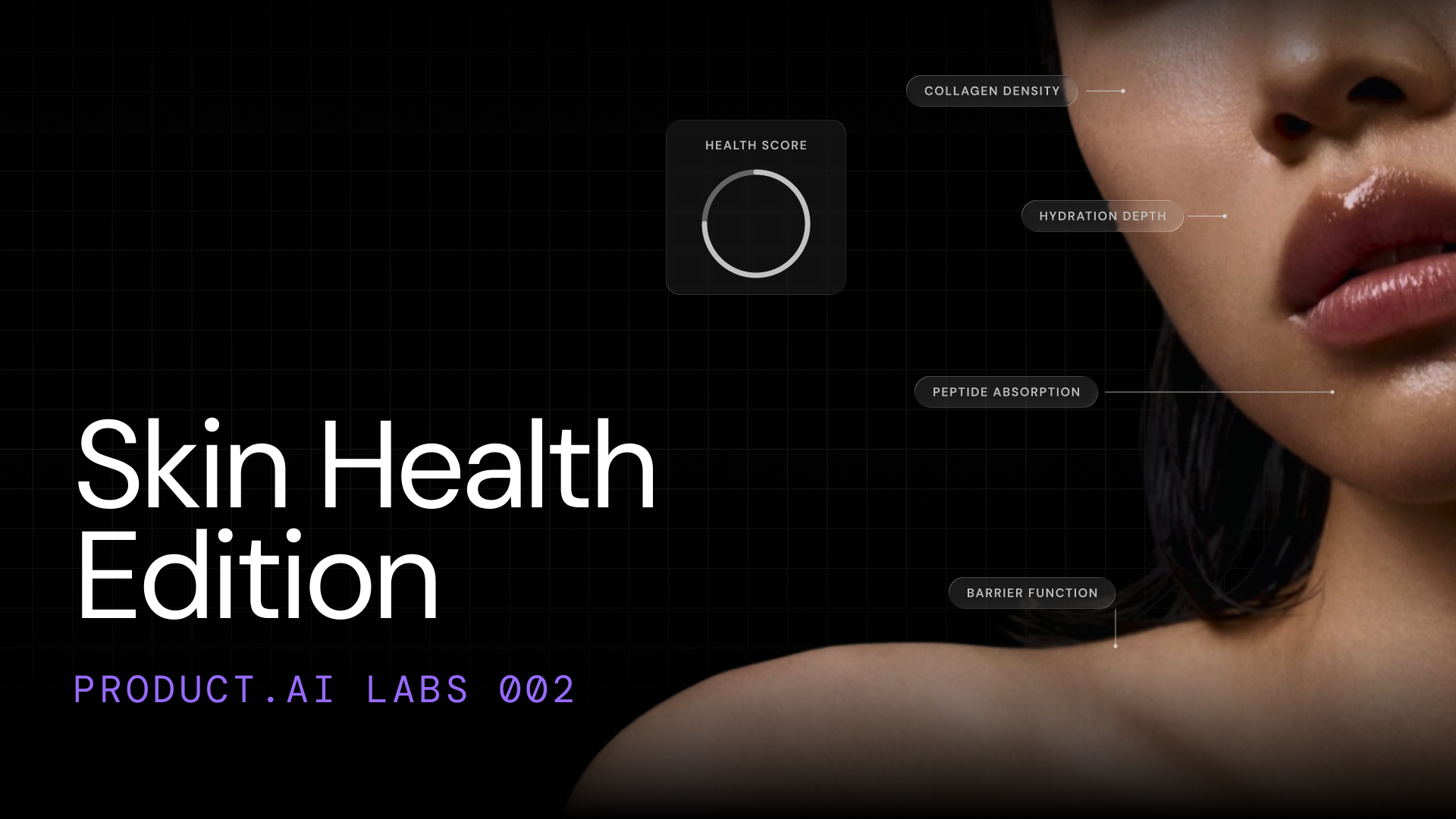
See these examples from our Product.ai Labs series, where each cover pairs a single real subject — the actual object or person under analysis — with Glass Box overlays that surface the invisible information: verified claims, flagged ingredients, live metrics. Nothing generic, nothing decorative. The photograph is the evidence; Glass Box is the lens.

Remember: Photography is earned. If there's no real expert or object to analyze, it doesn't belong — reach for illustration instead. For new photography, work with the design team so Glass Box stays the lens.